Halloween dingbat fonts for cemetery signage are decorative typefaces that include spooky symbols like tombstones, bats, skulls, or cobwebs built right into the font file. They’re used to add instant atmosphere to signs for haunted houses, historic cemeteries during October tours, or themed grave markers for private property displays. Unlike regular fonts, these dingbats let you type a letter and get a symbol instead or mix both in the same line, like “R.I.P.” followed by a tiny coffin glyph.
When do people actually use Halloween dingbat fonts for cemetery signage?
You’ll reach for them when designing physical or printable signs meant to feel authentically eerie without looking cartoonish or cheap. Think: hand-painted wooden plaques at a local graveyard’s fall event, vinyl-cut welcome signs for a backyard haunted trail, or engraved metal markers for a vintage-style memorial display. They’re not for official government-issued headstones but they work well for temporary, seasonal, or artistic installations where tone matters more than formality.
What makes a good Halloween dingbat font for this use?
Legibility at small sizes is key. Some fonts pack so many swirls and spikes that “REST IN PEACE” becomes unreadable from six feet away. Look for clean outlines, consistent spacing, and glyphs that scale well even when printed on weather-resistant vinyl or carved into wood. Fonts like Gravestone Gothic keep gothic weight but avoid excessive ornamentation. Dead Letter Dingbats includes subtle coffin and candle icons that sit neatly beside text, not overwhelm it.
What’s the difference between cemetery signage fonts and other Halloween dingbat uses?
Cemetery signage needs quiet gravitas not the exaggerated energy of comic book fonts or the precision required for vinyl cutting. Fonts made for vintage horror comic books often have heavy ink traps and uneven baselines, which look great on a page but blur when cut or painted. Fonts built for vinyl cutting prioritize sharp vector paths and minimal inner details ideal for machines, but sometimes too sterile for hand-applied signage. The best options for cemetery signs strike a middle ground: readable, slightly aged, and respectful of the setting.
Common mistakes to avoid
- Using overly playful fonts (think pumpkins with smiles or cartoon ghosts) near real burial grounds even on private land, tone matters.
- Forgetting to test print at actual sign size. A skull glyph that looks crisp at 72pt may turn into a muddy blob at 18pt on a 12"x18" sign.
- Assuming all “Halloween” fonts include usable dingbats. Some only change letterforms; others have symbols hidden in the punctuation or alternate character sets check the specimen sheet before downloading.
- Overloading every line with symbols. One well-placed tombstone icon above a name works better than three bats, two skulls, and a spider web crammed into the footer.
How to pick and use one responsibly
Start by checking your local guidelines some historic cemeteries restrict signage style or materials entirely. If you’re making a personal display, choose fonts with open licensing for commercial or non-commercial use (many free Halloween dingbats only allow personal projects). When layering symbols, treat them like punctuation: use them to frame, separate, or emphasize not replace words. For example, a simple “Est. 1892” with a single cross glyph below reads clearer and feels more grounded than “EST. 1892 ☠️💀🕸️”.
If you're planning a full set of themed signs including directional markers, plot identifiers, or interpretive panels you might also find ideas useful from our guide on Halloween dingbat fonts for cemetery signage, which walks through real-world layout examples and material-specific tips.
Next step: Download one font, type “IN MEMORY OF” in it at 36pt, then print it at 100% scale on cardstock. Hold it up next to your intended sign surface wood, metal, or stone and ask: Is the weight balanced? Can you read it in shade and direct sun? Does it feel appropriate for the place? Adjust before cutting or painting.
Learn More Perfect Halloween Dingbat Fonts for Vinyl Cutting
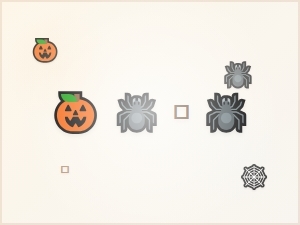 Halloween Dingbat Fonts for Haunted House Props
 Horror Poster Dingbats for Halloween Design
 Sinister Vows for a Halloween Wedding in Romantic Script
 Gothic Victorian Fonts for Eerie Halloween Invitations
 Haunting Script Fonts for Gothic Invitations